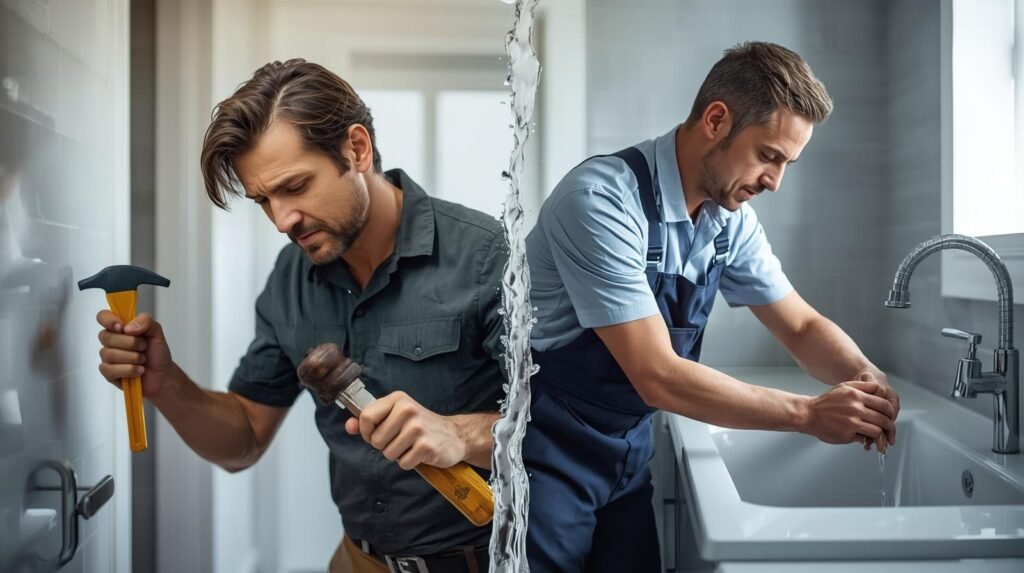
When a pipe bursts or a drain clogs, homeowners face a critical choice: either roll up their sleeves for a DIY fix or bring in a professional plumber. This decision hinges on multiple factors, such as the complexity of the task, potential cost savings, and the risks involved. In 2020, a survey revealed that 38% of homeowners attempted a plumbing repair themselves, with varying degrees of success.
Understanding the key considerations can steer this decision in the most advantageous direction. Below, we will delve into each aspect to inform your choice between seeking professional plumbing services and undertaking a repair or installation yourself.
Not all plumbing problems are created equal, and determining whether a task is manageable or requires expert handling is the first step. A simple faucet replacement might be within a DIY enthusiast’s wheelhouse, but repiping a house is a job for a pro.
Plumbing requires a solid understanding of the systems at work, adherence to local codes, and the right tools for the job. Missteps can lead to leaks, water damage, and more extensive repairs down the line. Hence, complex tasks typically necessitate the experience and expertise of a professional. If you’re considering DIY, ensure you have not only the requisite tools but also the comprehensive knowledge for the task at hand. For instance, finding a plumber near me can significantly ease the burden of a tough plumbing issue.
Assessing the Financial Implications: Cost of Professional vs. DIY
Cost can be a significant factor when deciding between DIY and professional plumbing services. While DIY projects appear cheaper upfront, they can sometimes become more expensive due to errors or incomplete repairs.
Professionals generally offer a guarantee for their work, which mitigates future costs related to the same plumbing issue. According to HomeAdvisor, the average cost for a plumber ranges from $175 to $450, while your time and potential errors should be factored into the DIY equation.
Prior to embarking on a DIY project, calculate the potential costs of tools and materials, as well as the value of your time. When comparing these estimates to professional quotes, consider the long-term savings from a job done right the first time by a skilled technician.
Weighing Risks and Safety Concerns in Plumbing
Plumbing tasks encompass risks that extend beyond financial considerations. Incorrectly executed plumbing can lead to water damage, mold growth, and even compromised structural integrity of your home. Safety hazards are also a concern, especially when dealing with gas lines or hot water systems. Professional plumbers are trained to navigate these risks, bringing peace of mind that the plumbing work adheres to safety standards and regulations.
For any plumbing job, it’s essential to evaluate the potential risks and your ability to manage them. If there’s any doubt regarding safety, it’s wise to defer to a professional who is equipped with the knowledge and tools to prevent accidents and handle emergencies.
Time Investment and Convenience: Making the Smart Choice
The time a plumbing repair or installation consumes can be substantial, particularly for those unfamiliar with the task. DIY projects often take longer and can cause significant inconvenience, especially if the plumbing issue impacts essential home functions.
Professional plumbers, on the other hand, bring efficiency and speed to the table, often resolving issues much quicker thanks to their training and experience. This expedited service can be invaluable, particularly when dealing with emergencies like a major leak or a failed sump pump.
When determining the best route, assess your schedule and the inconvenience of potential setbacks. The time you might save by hiring a professional could be a deciding factor, especially if it means getting your household back to normal swiftly and stress-free.
Overall, the decision between hiring a professional plumber and taking the DIY route depends on several critical variables. Assess each aspect, from complexity and financial implications to risks and time investment, to ensure that your choice delivers the best outcome for your situation. Properly addressing these factors can save you time, money, and avoidable headaches in the long run.
I am Indian Blogger, Here I provide you best information on my OPGYAN.com blog. I have also obtained master's degree. I read everything very widely and on the basis of that knowledge I give all the information here.